
"coffee adaptation"
3000 article(s) found

Drinking coffee is a habit.
Tang Lingling's monthly salary once reached five figures, and she also enjoyed the life brought by this salary, like famous watches, perfume, and good coffee and tea. Now, as a supporting teacher in the mountain village, she still maintains these habits.
Varieties of coffee trees
1.5 Arabica coffee varieties improved Arabica coffee beans include traditional varieties that are very close to the original, as well as mutants or hybrids mated with Robusta. Coffee variety improvement is not only limited to the fight against diseases and insect pests, but also the pursuit of a steady stream of harvests. 1. The variety of Arabica coffee belongs to the evergreen shrub Ara of the genus Rubiaceae.
Varieties of coffee beans
Several main coffee varieties and their characteristics are introduced here. Typica, also known as Tiberka Tibika, is the closest to the native species of Arabica, where almost all Arabica varieties originate. Widely cultivated in Central and South America in the past, the bean is long in shape and has excellent aroma and sour taste, but it is not resistant to leaf rust and requires quite a lot of shading trees to lead to production.
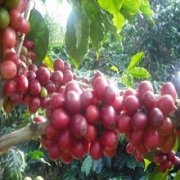
A brief introduction to the Gene Mutants of Coffee species
Kenya [SL28] and [SL34]: French and British missionaries and researchers sifted in Kenya at the beginning of the 20th century

Panama Duncan Estate Coffee How to make Panama coffee beans
Coffee Workshop (Weixin Official Accounts cafe_style ) Factory Name: Qianjie Coffee Address: No.10 Baoan Qianjie, Guangzhou City, Yuexiu District Shelf Life: 90 Net Content: 227g Packaging Method: Bulk Coffee Bean Ripe Degree: Coffee Ripe Bean Sugar: Sugar-Free Origin: Panama Dunken Country: Panama Grade: SHG Treatment

Effect of Climate on Coffee Price and Flavor
We all believe that climate change affects the world, but few of us believe that climate change will affect us. We all believe that climate change affects the world, but few of us think that climate change will affect us. But when warm winters and severe storms hit, the effects of climate change will be understood. What will global warming bring to coffee? Climate warming will make bacteria and diseases

Brief introduction of Guatemalan Coffee grades of Arabica varieties
Professional coffee knowledge exchange more coffee bean information please follow the coffee workshop (Wechat official account cafe_style) Front Street Coffee-Guatemala Coffee Grade and Variety introduction Guatemala is a major coffee producer in Central America, ranking eighth in the world in terms of output. Guatemala, whose name comes from the Mayan language, means thelandofmanytrees, the country of the forest. It is located in Central America.

Panamanian Duncan Manor drink correctly Duncan Manor Coffee Bean Price
For the exchange of professional baristas, please pay attention to the coffee workshop (Wechat official account cafe_style) DUNCAN Manor produces unique top picking methods (Premium Picking) and collection picking methods (Reserva Picking), this practice has pushed the coffee to the great leap forward of high quality and flavor, but the coffee production will be greatly reduced. KOTOWA performs top-level picking method
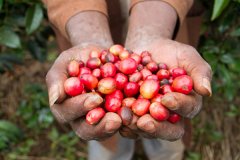
The species of coffee, tell me what kinds of coffee trees there are.
The coffee beans we usually see are red fruits on trees, seeds without peel and pulp. It is a kind of plant, so there will naturally be different tree species, just as there are many kinds of apples. There are two main categories visible in the market: Arabica and Robusta (rough flavor, caffeine more than twice as high as Arabica, not a boutique coffee variety. But in recent years, India

Introduction to the varieties and characteristics of Coffee beans
Typica, also known as Tippica, is the closest to the native species of Arabica, where almost all Arabica varieties originated. It was widely cultivated in Central and South America in the past, with long beans and excellent aroma and sour taste, but it is not resistant to leaf rust and requires a considerable number of shading trees, resulting in low production (same as bourbon, every two).

Colombian coffee variety grade
The main varieties of Colombian coffee are Arabica coffee (coffea arabica), that is, small fruit coffee (small grain coffee), while large fruit coffee (coffea robusta) is mostly grown in Africa of origin, such as the famous Madagascar coffee. There are several varieties of small fruit coffee. Brazilian coffee, which has the highest yield in the world, has large seeds and strong adaptability.

Ethiopian Coffee beans Yega Chefe Coffee and Sidamo Coffee
Ethiopia is the birthplace of the famous Arabica coffee beans, and people have always maintained the tradition of harvesting wild coffee beans. The coffee garden at an altitude of more than 1500 meters has formed a unique coffee style after thousands of years of evolution and adaptation. Ethiopian coffee grown in the natural wild environment is called wilderness coffee, which retains the most primitive and natural taste of coffee beans.

How do you drink American Coffee? can I drink more American Coffee? Italian espresso with coffee beans imported black coffee
American coffee is the simplest one. It can be made in a drip-filter coffee pot, or you can add a lot of hot water to the espresso liquid, which has a very primitive taste. When drinking, you can taste it first, and if you really don't adapt, add ingredients such as sugar, milk and so on as needed.
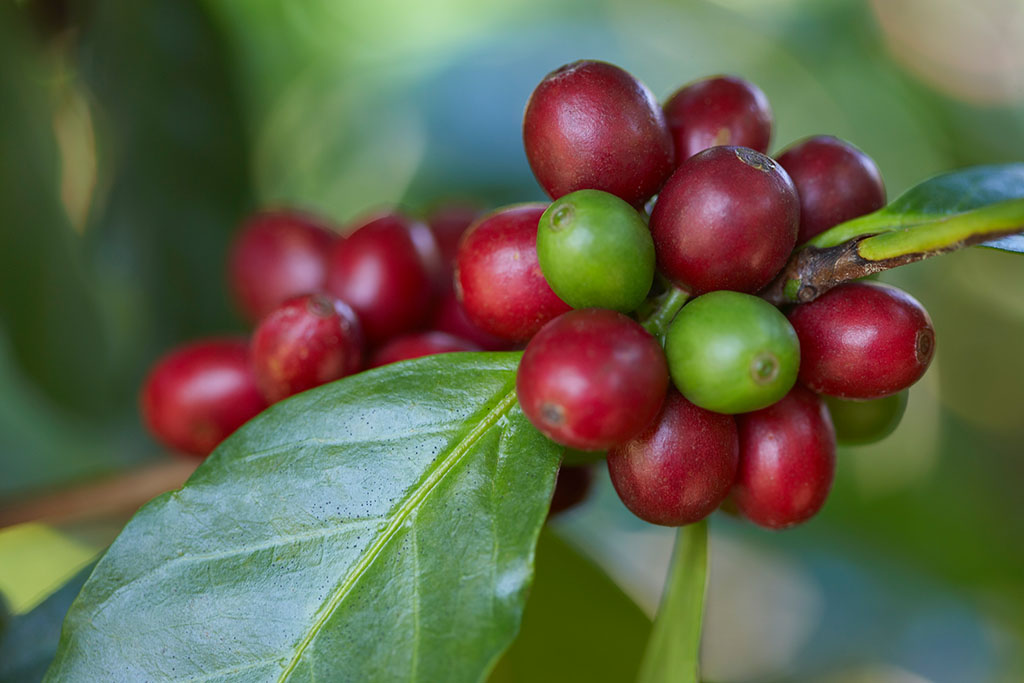
Hafursa Cooperative Yega Xuefei African Fine Coffee native coffee species of Ethiopia
The coffee garden with an elevation of more than 1500 meters has formed a unique coffee style after more than a thousand years of evolution and adaptation. Ethiopian coffee grown in the natural wild environment is called wilderness coffee, which retains the most primitive and natural taste of coffee beans and has the most direct and full expression of the local environment. Hafursa cooperative (1750-2300 meters) belongs to the producing area: Gedeo- Yega

Introduction to the grade of Ethiopian coffee
Ethiopia is the birthplace of the famous Arabica coffee beans, and people have always maintained the tradition of harvesting wild coffee beans. The coffee garden at an altitude of more than 1500 meters has formed a unique coffee style after thousands of years of evolution and adaptation. Ethiopian coffee grown in the natural wild environment is called wilderness coffee, which retains the most primitive and natural taste of coffee beans.

Liberica coffee beans, what kind of coffee beans are roasted by themselves?
Liberica coffee, which usually grows on slopes about 200 meters above sea level, is not big, about 10 to 20 feet high. Lilika coffee is a kind of tree species with strong resistance to disease and environmental adaptability, so Liberica coffee can be grown in subtropics compared with other tree species. The most suitable temperature for growth is 19-27 ℃. Liberica coffee tree from the outside, it
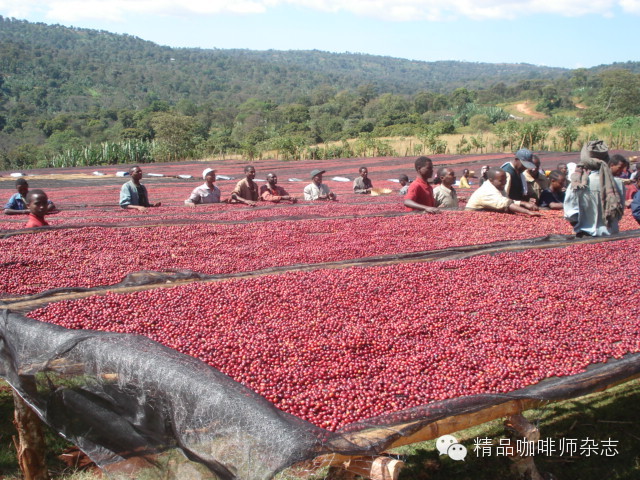
Cochel Ethiopia's famous Arabica Coffee Bean Sigiga Cooperative
Ethiopia is the birthplace of the famous Arabica coffee beans, and people have always maintained the tradition of harvesting wild coffee beans. The coffee garden at an altitude of more than 1500 meters has formed a unique coffee style after thousands of years of evolution and adaptation. Ethiopian coffee grown in the natural wild environment is called wilderness coffee, which retains the most primitive and natural taste of coffee beans.

Introduction to Vietnamese Coffee Q7
Following caf é (Wechat official account vdailycom) found that Vietnam Coffee Q7 1 and G7 Coffee are the only milk coffee brands in Vietnam, refined with advanced European technology. G7 coffee has great advantages in taste and adaptation to the crowd. Customers who have drunk G7 coffee will not feel dizzy, irritable and tasteless, and will not affect it.

Robusta coffee beans commercial coffee beans
The bean shape is larger, the front is gradually round, the back is round and convex, and the crack is straight. Robasta coffee trees are native to Madagascar in central and western Africa and Indonesia in Asia, and account for about 20% to 30% of the world's output. Robasta coffee tree is suitable for planting in the lowlands below 500 meters above sea level. It has strong adaptability to the environment, can resist the harsh climate and resist.
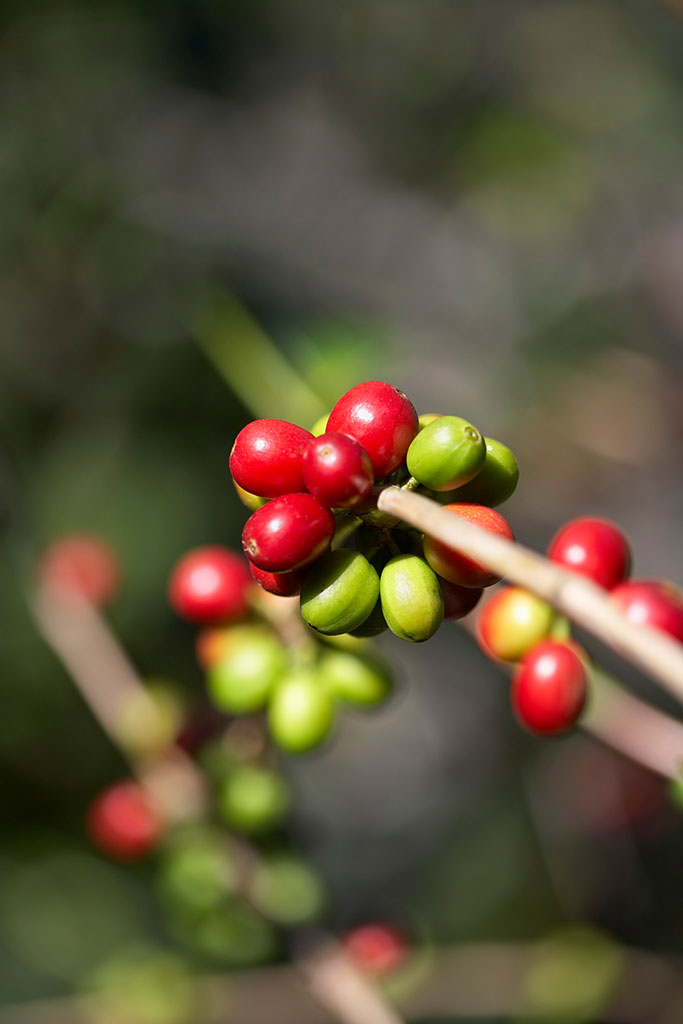
Resa Cooperative Addis Katema Cooperative Vina Gor Ethiopian Coffee
The coffee garden with an elevation of more than 1500 meters has formed a unique coffee style after more than a thousand years of evolution and adaptation. Ethiopian coffee grown in the natural wild environment is called wilderness coffee, which retains the most primitive and natural taste of coffee beans and has the most direct and full expression of the local environment. Production area of Resa Cooperative (1000-1400 m): Gedeo-Wenago Wei